

Why Choose Us
One-stop Solution:
We provide perfect OR room solution,medical equipment solution and ICU monitor and therapy solution!
Competitive price:
Due to we are direct manufacturer,we can quote you our best price.
Professional Manufacturer:
The leading brand and the largest professional medical manufacture in China,with first and only one AI intelligent digital workshops and stock control in China.
Custom Service:
We accept your oem,with advanced ai intelligent stocks and workflows,we provide your the most professional and quickest delivery with 0 after service problem!
What is Sterilize Machine
An sterilize machine is a machine that uses steam under pressure to kill harmful bacteria,viruses,fungi,and spores on items that are placed inside a pressure vessel. the items are heated to an appropriate sterilization temperature for a given amount of time.
-

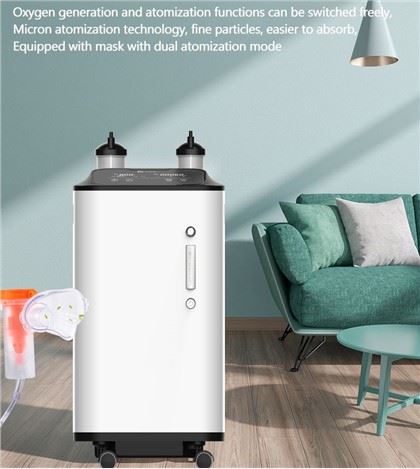
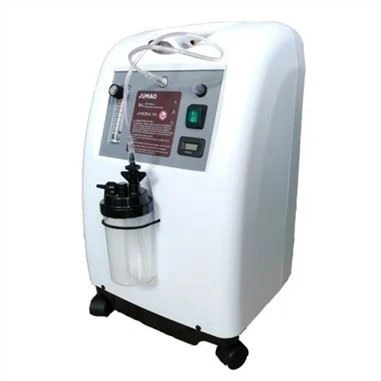
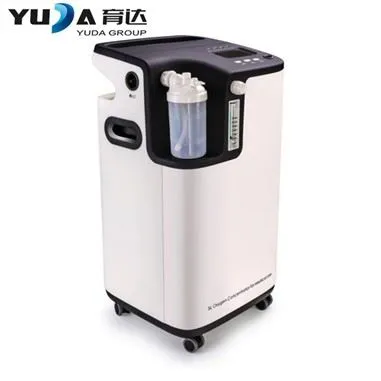
93% Medical 5L/10L Oxygen Concentrator
93% medical 5L/10L oxygen concentrator manufacturer--produced by Shandong YUDA medical equipment Co, ltd. Please notice we are the real manufacturer on ZY-10AW oxygen concentrator generator.Contact Add to Inquiry -
China Oxygen Concentrator
93% Oxygen Concentrator Oxygen-concentrator Medical Oxygen generator manufacture--ZY-10AW Add to Inquiry -
ZY-10AW Oxygen Concentrator
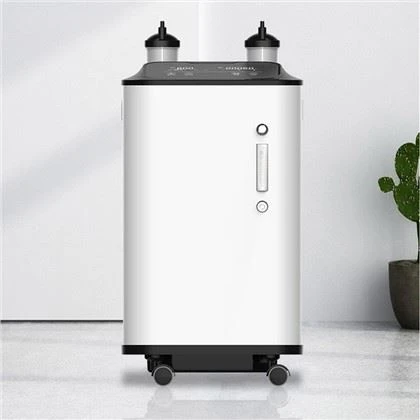
In stock factory price ZY-10AW double flow 10L medical oxygen concentrator generator to Lima. 5L/10L/20L oxygen concentrator manufacturer. Add to Inquiry -
Portable Oxygen Generator
Hospital oxygen concentrator generator10 litre 20L Oxygen Concentrator Medical Grade Dual Flow manufacturer.YUDA medical is the largest medical manufacturer in North China, during virus period, we Add to Inquiry -
10L Medical Oxygen Concentrator
Oxygen generator factory Machine zy-10aw with Atomizer system portable oxygen concentrator with nebulizer machine and Smart Voice Broadcast System Add to Inquiry -
10L Oxygen Concentrator
Oxygen concentrator factory manufacturer ZY-10AW To Peru/Mexico Physiotherapy equipment portable double flow oxygen concentrator 10L. Add to Inquiry -
High Performance Oxygen Making Machine
China Hospital Use High Performance Oxygen Making Machine, Find details about China Mini Oxygen Concentrator, Oxygen Generator from Hospital Use High performance medical use personal healthcare use Add to Inquiry -
Hospital Use Oxygen Generator
YUDA medical-the largest medical manufacture in North China,Our design is targeted at the best sieve beds environment for nitrogen adsorption and extraction.Simple and clean inner space design Add to Inquiry -
Healthcare Medical Oxygen Generator
FDA approved 3L/5L/9L/10L oxygen concentrator medical portable oxygen concentrator price.---produced by YUDA medical group. the largest medical manufacture in North China. Add to Inquiry -
Oxygen 5 Liter Medical Machine
YUDA medical produced oxygen concentrator for sale medical 5L.YUDA medical have own workshop froducing air sterile machine and oxygen concentrator for both hospital and personal healcare use. Add to Inquiry -
Stationary Oxygen Concentrator
Ready to Ship In Stock Fast Dispatch :Oxygen Concentrator 5L Oxygen concentrator portable Portable Price China Oxygen-concentrator.This oxygen Concentrator can be used for home health and medical Add to Inquiry -
Portable Stationary Oxygen Machine
Oxygen and Atomization medical mobile 3L oxygen-concentrator,Warranty: 1 YEAR, After-sale Service: Free spare parts, Product name: medical mobile 3L oxygen-concentrator. Keyword: Add to Inquiry



Benefits of Sterilize Machine
Safe method of sterilizing:
In comparison with other sterilization methods, autoclaving is nontoxic.because steam is a kind of vapor that is formed when water is boiled,it effectively is water but in a different state of matter. even so,care should still be exercised to avoid being burned by hot steam.
Rapid cycle time:
Steam is quicker at killing bacteria compared to dry heat,owing to its greater ability to transport heat over other mediums and over a wider range.
Cost-effective method:
Steam is easily accessible due to the fact that it only needs two things water and heat.given that almost all facilities or laboratories require a source of water,obtaining water to operate the autoclave is fairly possible.
Better than chemicals:
Chemical sterilizers used in clinical practice may address a variety of microorganisms,but they can't completely degrade or kills spores,which are microorganisms that have been shown to be immune to some sterilization methods.
What are the Applications of Sterilize Machine
01/
Sterilization of medical instruments: Autoclaves are the machine to sterilize medical instruments,including surgical tools, dental instruments,endoscopes,forceps,scalpels, and more.proper sterilization of these instruments is essential to prevent the transmission of infections during medical procedures.
02/
Sterilization of surgical supplies: Autoclaves are utilized to sterilize various surgical supplies,such as gowns,drapes,masks,and gloves.sterile supplies are critical for maintaining aseptic conditions during surgeries and minimizing the risk of surgical site infections.
03/
Sterilization of dental equipment: In dental practices,autoclaves are used to sterilize dental handpieces,probes,mirrors,and other instruments. dental autoclaves ensure that dental procedures can be performed safely and hygienically,reducing the risk of cross-contamination between patients.
04/
Research and laboratory applications: Autoclaves are utilized in medical research and laboratory settings to sterilize media,equipment,and supplies.sterile conditions are crucial for conducting experiments,culturing cells,and ensuring accurate results in laboratory studies.
Types of Sterilize Machine
01
Dry heat:
The dry heat sterilizers employ higher temperatures to destroy microorganisms.they are considered effective and safe for metal instruments because the process does not dull instrument edges or rust/corrode the instruments. there are two kinds of 'dry heat sterilizers'.

02
Steam sterilizer:
Steam sterilizers will allow you to sterilize a wide range of materials. temperature,pressure,and time are the main factors of this process.the higher the temperature,the greater the pressure and the shorter the sterilization cycle. maximum temperature will rise to 273f (133c).
03
Heated chemical vapor sterilizers:
These type of sterilizers also offer relatively short cycle times.metal instruments can be processed with minimal rust or corrosion,and cutting edges remain sharp;however,instruments must be dried completely before processing.
04
Glass bead sterilizers:
Glass bead sterilizer have long been employed for instruments re-used on the same patient at a single appointment;however,they are not suitable for terminal sterilization of instruments prior to re use on other patients.
How Does an Autoclave Work?

Conditioning phase:
Air inhibits sterilization and must be removed from the chamber during the first phase of the sterilization cycle known as conditioning.in dynamic air removal-type steam sterilizers,the air can be removed from the chamber using a vacuum system.gravity-type sterilizers use steam to displace the air in the chamber and force the air down the sterilizer drain.

Exposure phase:
After the air is removed,the sterilizer drain closes and steam is continuously admitted into the chamber,rapidly increasing the pressure and temperature inside to a predetermined level. the cycle enters the exposure phase and items are held at the sterilization temperature for a fixed amount of time required to sterilize them.
Features of Sterilize Machine
1. Man-machine coexistence,can be in continuous air disinfection for people indoor using, no damage to people and articles.
2. Ozone in the air during operation is ≤0.1mg/m³
3. Ozone disinfection is tasteless,noradiation,no corrosion,no ozone outside the equipment in working condition.
Components of Sterilize Machine
1

Sterilization chamber:
Usually made of stainless steel material, which helps to ensure sustainability,long-term use in a humid environment,high temperature and high pressure for the autoclave.this part of the chamber is usually cylindrical in shape and can withstand great pressure during use.
2
Pressure air duct system:
This system has the role of controlling the temperature and pressure inside the steam chamber,usually made up of copper pipes combined with solenoid valves.
3
Heating system:
Made from heat-insulated incandescent,the outer layer is chrome plated copper or stainless steel,helping to maintain the temperature of the autoclave.
4
Crcuit system:
Including power,display, control boards,help connect the parts of the autoclave together,ensuring they work smoothly.
How to maintain Sterilize Machine
Practice regular cleaning procedures: This is a basic step which is why most labs miss it out. cleaning your laboratory daily is not at all expensive and is easy.allot a day for deep cleaning,once every week. keep track of the regular checkups required for each equipment.
Follow regular maintenance: Maintenance of laboratory equipment is a broad term. few of the essential steps that come under it are calibration,repairs and refurbishment.instead,check if it can be mended by repairing or replacing certain parts. if the equipment is too old, re-lubricate the moving parts and clean it thoroughly to make sure it's good as new.
Sterilize used tools: Following suitable sterilization procedures such as wet heat sterilization or autoclaving,dry heat sterilization such as flaming or baking,filtration, etc.can help maintain hygiene in the lab.finding the best technique to do so is essential before you randomly pick one.
Maintain An Inventory: At a time there are multiple liquids,equipment,materials,etc in use.keep an inventory to check the items in storage for their contents and expiration date.this will help you avoid using contaminated or non-suitable items for an experiment,thus avoiding harm to your equipment.
certificate
CE with globally exporting support---TUV, NQA, FDA, Russia CE

Presentation of cooperation cases


FAQ
Q: How do you maintain sterilization?
A: All items to be sterilized should be arranged so all surfaces will be directly exposed to the sterilizing agent. Thus, loading procedures must allow for free circulation of steam (or another sterilant) around each item.
Q: What are the ways of maintaining autoclave?
A: For proper maintenance of the autoclave, periodically clean all the external parts, using a soft cloth dampened with regular neutral detergents (NB: do not use corrosive or abrasive products). Do not use common abrasive cloths or wire (or other abrasive) brushes to clean the metal parts.
Q: How long can you keep sterilized instruments?
A: The most important factor in how long autoclaved instruments are sterile is the packaging — it should be dry and intact, and not be handled too much. Given ideal conditions, studies found that autoclaved sterilized instruments can be stored safely for up to 96 weeks.
Q: How do you keep medical equipment sterile?
A: For many medical devices, sterilization with ethylene oxide may be the only method that effectively sterilizes and does not damage the device during the sterilization process.
Q: What is sterilization machine?
A: An autoclave is a machine that uses steam under pressure to kill harmful bacteria, viruses, fungi, and spores on items that are placed inside a pressure vessel. The items are heated to an appropriate sterilization temperature for a given amount of time.
Q: What is sterilized equipment?
A: Sterilization destroys all microorganisms on the surface of an article or in a fluid to prevent disease transmission associated with the use of that item.
Q: Which machine is used to sterilize equipment?
A: The two basic types of steam sterilizers (autoclaves) are the gravity displacement autoclave and the high-speed prevacuum sterilizer.
Q: What is the difference between autoclave and Sterilisation?
A: While autoclaves solely utilize steam to disinfect, sterilizers can use chemicals, high pressure, filtration, irritation, or a combination of these methods to eliminate living organisms.
Q: What are the 4 types of sterilization?
A: It can be achieved by high-pressure steam (autoclave), dry heat (oven), chemical sterilants (glutaraldehydes or formaldehyde solutions) or physical agents (radiation). Because sterilization is a process, not a single event, all components must be carried out correctly for sterilization to occur.
Q: How do you sterilize tools?
A: Use pressure steaming to sterilize metal tools or rubber or plastic equipment. Some clinics and hospitals have a machine for sterilizing called an autoclave. Autoclaves sterilize instruments using pressure and steam.
Q: What is difference between sterilization and disinfection?
A: Disinfection and sterilization are both decontamination processes. While disinfection is the process of eliminating or reducing harmful microorganisms from inanimate objects and surfaces, sterilization is the process of killing all microorganisms.
Q: Do autoclaves sterilize or disinfect?
A: Autoclave sterilization works by using heat to kill microorganisms such as bacteria and spores. The heat is delivered by pressurized steam. Pressurization allows the steam to reach the high temperatures that are required for sterilization.
Q: What is the most common sterilization techniques?
A: Autoclaving is the most popular method of lab sterilization. This process uses pressurized steam to heat the item that requires sterilization. Autoclaving is an incredibly effective procedure. It will effectively kill all microbes, spores and viruses.
Q: Which is better sterilization or disinfection?
A: While disinfecting gets rid of most germs, sterilization removes all microorganisms — including those that aren't harmful. Sterilization is common in medical facilities, but it may also be helpful for businesses and schools that want to get rid of germs in entire rooms.
Q: What is the common method of sterilization and disinfection?
A: Steam sterilization for at least 30 minutes at a temperature of 132°C in a gravity displacement sterilizer has been recommended as the preferred method for the treatment of contaminated material. A prevacum sterilizer used for 18 minutes at a temperature of 134°C to 138°C has been found to be effective.
Q: Which is stronger sterilization or disinfectant?
A: Removing pathogens but leaving endospores is considered disinfection, while completely destroying both endospores and pathogens is considered sterilization.
Q: What is the difference between UV sterilizer and autoclave?
A: The UV light differs from traditional autoclave and dry heat sterilization units in a number of ways. First, UV light sterilization has no chance of forming rust since UV light does not use any heat or steam and remains dry during the entire sterilization cycle.
Q: Does autoclaving destroy bacteria?
A: Autoclaves use steam heat to raise temperatures to such a degree that proteins within the cell walls of a microbe break down and begin to coagulate, thereby killing the bacterium and achieving sterilization.
Q: Can bacteria survive autoclave?
A: The short answer: no. Autoclaves are capable of killing all types of microorganisms such as bacteria, viruses, and even spores, which are known to survive at high temperatures and can only be killed at temperatures around 130°C.
Q: Do autoclaves use heat and pressure to sterilize?
A: Autoclaving, sometimes called steam sterilization, is the use of pressurized steam to kill infectious agents and denature proteins. This kind of "wet heat" is considered the most dependable method of sterilizing laboratory equipment and decontaminating biohazardous waste.
